
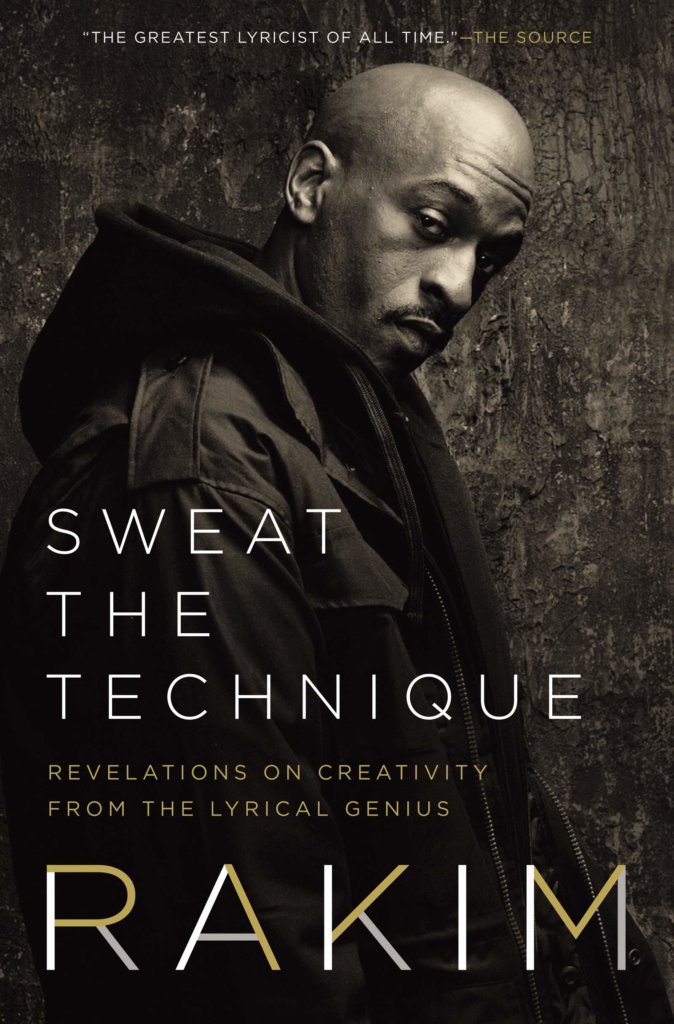
 A must listen for all creative individuals and performers alike, not only Hip Hop heads. It contains many life lessons and inspiring anecdotes which will influence you to reflect on your own way of thinking.
The introduction to this audiobook was mesmerizing. A display of Rakim as a true wordsmith that he is so well known for. Reading this book in text for yourself will not do it the same justice as listening to Rakim’s voice narrative his own story, thus listening to the audiobook version is recommended. After finishing his audiobook I found myself yearning to go back to his discography to reference the many tracks he talks about writing with a whole new appreciation for their conception.
I first became familiar with Rakim through the breakin’ scene and I knew very little about him personally other than how influential he was to the artists of my time, so I wanted to learn more. This memoir was a perfect look into the golden age of rap, which according to Rakim was between 1989–1992 where it all began birthed from pioneers such as Marley Marl and Roxanne Shante. It was an age where lyrics mattered and the content was in focus, deep and thought provoking.
It highlights Rakim’s philosophy and gives an insight into where he draws his inspiration for those who want to know how his mind works. He breaks down each aspect of writing, MCing and performing with wisdom from his lessons in life, which anyone can apply to their own. I admired his dedication for spending time reading religious texts – the Bible, the Quran and the Torah to add dimensions to his verses as well as despite evoking criticism from religion scholars for speaking his mind. There were many examples of his innovation. His calm delivery on the mic was very different to the shouting down the mic style which was rampant at the time. Once in the studio Rakim refused to change the way he rhymed despite feedback from Marley Marl that he needed more energy. Rakim shows us we should stay true to ourselves in order for any art form to progress.
Another snippet of knowledge that hit home for me was to look for inspiration from outside of your industry, something I once also read George Lois say. This is the way to grow and excel. Rakim was not interesting in comparing himself to others; he wanted to be better than himself and what he last put out. I admired Rakim’s boldness to unapologetically be himself and think outside the box, despite peer pressure to conform.
It is a very open and honest memoir sharing experiences of his upbringing and family life, including his relationships with his parents and the love and respect they had in supporting his career as an artist which is heart-warming. He revealed he did not wanting to swear on his tracks out of respect for this mother as he knew she would listen to it. All the way to how the death of his father affected him causing anxiety and how he chose to leave his tour to attend the funeral despite his family trying to keep it from him.
Rakim has always been a positive force, promoting self- esteem and righteousness through conscious hip-hop. He even turned down acting roles to play a gangster which he felt was stereotyping black men although admittedly received his fist gun charge at aged 12, it was not a lifestyle he wanted to promote. The same went for his music, he refused to change his writing style to gangsta rap which began to sell commercially at the time. I respect that.
Rakim’s final thoughts encourage us to connect with our purpose if we are to succeed and that means connecting with ourselves as we will always be able to find inspiration from within.

Latest posts by (see all)
- GIGGS ANNOUNCES ‘THE CHRONICLES OF’ A LANDMARK LIVE CELEBRATION AT OVO ARENA WEMBLEY — October 16, 2026
- OPINION PIECE | THE MACHINE CAN RAP. SO WHAT MAKES AN ARTIST HUMAN? — October 12, 2026
- LONDON PALESTINE FILM FESTIVAL RETURNS THIS NOVEMBER WITH STORIES FROM GAZA, THE WEST BANK AND THE DIASPORA — October 9, 2026
