
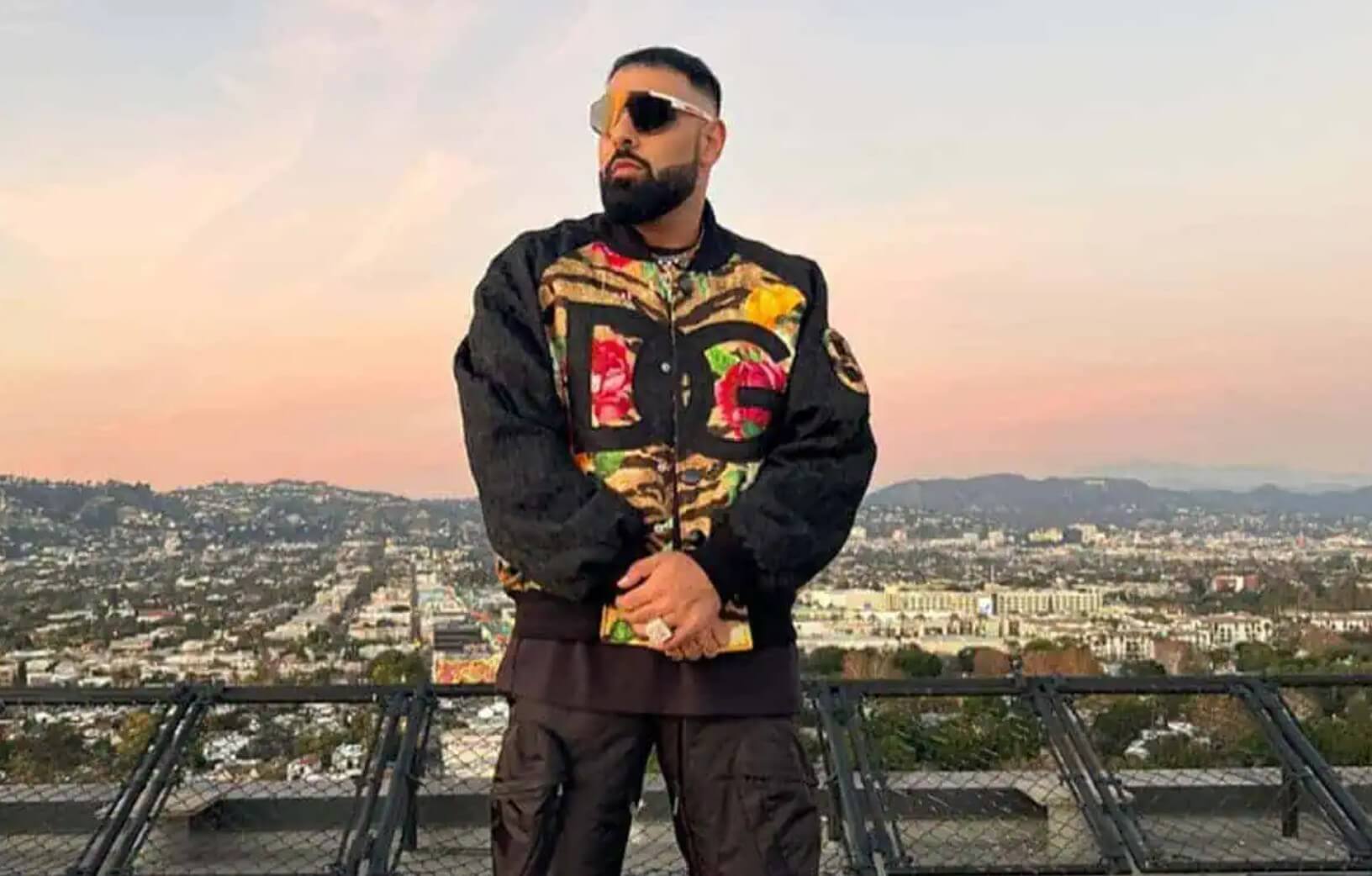
Indian hip hop has long existed in a state of defiance, building culture in the margins while fighting for legitimacy at home and recognition abroad. Over the past decade, that resistance has transformed into momentum, and few artists embody that shift more clearly than Badshah. From soundtracking desi street ambition to reshaping how South Asian music travels globally, his journey mirrors the rise of a movement that no longer asks for permission.
As he stands on the verge of becoming the first Indian rapper to headline London’s O2 Arena, the moment feels larger than a single artist or a single night. It speaks to diaspora identity, global influence and the quiet certainty that Indian hip hop belongs on the world’s biggest stages on its own terms. Ahead of this historic show, Badshah reflects on representation, responsibility and what it means when culture crosses borders without losing its soul.
Indian hip hop has often had to fight for legitimacy both at home and internationally. Standing on the brink of headlining The O2, do you feel you’re representing Indian hip hop, desi identity, or something that goes beyond genre and geography altogether? When I’m standing on a stage like The O2, I don’t feel like I’m carrying one label on my back. I’m carrying a journey and a collective responsibility of representation. Indian hip hop, desi identity, diaspora stories, street dreams, pop culture — it’s all one ecosystem now.
I come from India but my sound has travelled to different corners of the world because sentiment has no passport. So yes, I’m proud to represent Indian hip hop, but I think what we’re really showing the world is that our stories belong on the biggest stages without translation or apology.
From Delhi to London, Toronto to Dubai, the brown diaspora has grown up on your music. How consciously do you think about that global South Asian listener when you create, and how has diaspora energy shaped your sound over the years? The global South Asian listener is always in my mind, even when I’m not consciously thinking about it. Irrespective of geography the feeling is universal — ambition mixed with representation and roots. Diaspora energy taught me how nostalgia and aspiration can live in the same song. The audiences shaped my sound by demanding authenticity, not trends.
You’ve collaborated with artists across continents like Sean Paul, J Balvin, Diplo, Tiesto, Davido without ever diluting your identity. What’s your personal rule when blending cultures: where do you draw the line between fusion and dilution? My rule is simple: I never step away from myself. Fusion is when cultures meet with respect. Dilution is when you erase yourself to fit in. I’ll collaborate with anyone in the world, but my voice, my language, my rhythm stays intact. If I can’t recognise myself in the record, I won’t put it out. Global doesn’t mean generic.
You’ve broken records and defined eras, but success also brings responsibility. As the first Indian rapper to headline The O2, does that sense of responsibility influence how you approach your music and your live performances today? Responsibility definitely comes with milestones like these. Earlier, back in the days it was about proving I belong. Now it’s about proving we all belong. That changes how I approach my music and my live shows. Every performance has to be sharper, more honest, more intentional. I know a lot of young artists are watching, and I want them to see that longevity comes from discipline, not just hype.
Indian hip hop has moved from underground cyphers to the world’s biggest arenas in just over a decade. What do you think the global music industry still misunderstands about desi hip hop and what do you hope one night at The O2 will help change? I think the global industry still sees desi hip hop as a moment or a market not as a movement. What they misunderstand is the depth — the lyricism, the diversity, the regional flavours, the hunger.
One night at The O2 can’t explain everything, but it can shift perception. It can show that this culture sells tickets, fills arenas and commands respect on its own terms.
As a mentor and judge on platforms like MTV Hustle, you’ve had a front-row seat to the next generation. When you look at young South Asian rappers worldwide, what do you feel is missing more technical skill, originality or belief? Skill and originality are improving every year. What’s often missing is belief. Not confidence for Instagram, but deep belief — the kind that lets you stay patient, take criticism and still trust your voice. When that belief clicks, everything else follows. The next generation doesn’t need permission anymore; they just need conviction.
Your influence now extends beyond music into fashion, entrepreneurship and global luxury spaces. Do you see this expansion as growth, or as hip hop finally being allowed to exist fully in places it was once excluded from? I see it as hip hop finally breathing freely. Fashion, business, luxury — these spaces were always influenced by hip hop, but artists like us weren’t always invited in. Now we’re not guests, we’re stakeholders. It’s growth for me personally, but it’s also a correction for the culture.
On 22nd March you’ll headline The O2 for the first time. For fans who’ve grown with you from DJ Waley Babu to now, what kind of night are you planning to give them in London? London is getting a night that feels personal and yet something that’s going to be energetic and passionate. It’s not just a concert; it’s a timeline. Every era, every phase, every version of me will show up. High energy, big records, on stage surprises — but most importantly, emotion. I want fans to feel like they grew with me, not just listened to me.
This O2 headline show is being described as a landmark moment for Indian hip hop. What can fans expect from this performance that they won’t see at any other Badshah show around the world? This show is different because of the moment. The scale, the storytelling, the intention behind every second. You’ll see a production that matches global standards but carries desi soul. There are things planned for this night that won’t make sense anywhere else in the world because this night is bigger than one artist.
When the lights go down and the noise fades after a three-hour headline set at The O2, what do you want that night to be remembered for not just for Badshah, but for Indian hip hop as a whole? When the lights go down, I want that night to be remembered as a door opening. Not for Badshah, but for Indian hip hop. I want people to say, “That’s when it became undeniable.” A moment when the playbook flipped and history took notes.
Badshah headlines The O2 on Sunday 22nd March. Book now HERE

Latest posts by (see all)
- ON STAGE | JULIUS CAESAR REMIXED AT OMNIBUS THEATRE — September 23, 2026
- NAS: LDN SEASON, WHEN TWO ARTISTS COLLABORATE BY SAL FRECKLES — September 16, 2026
- FILMS TO HAVE ON YOUR RADAR AT THE 70TH BFI LONDON FILM FESTIVAL — September 4, 2026
