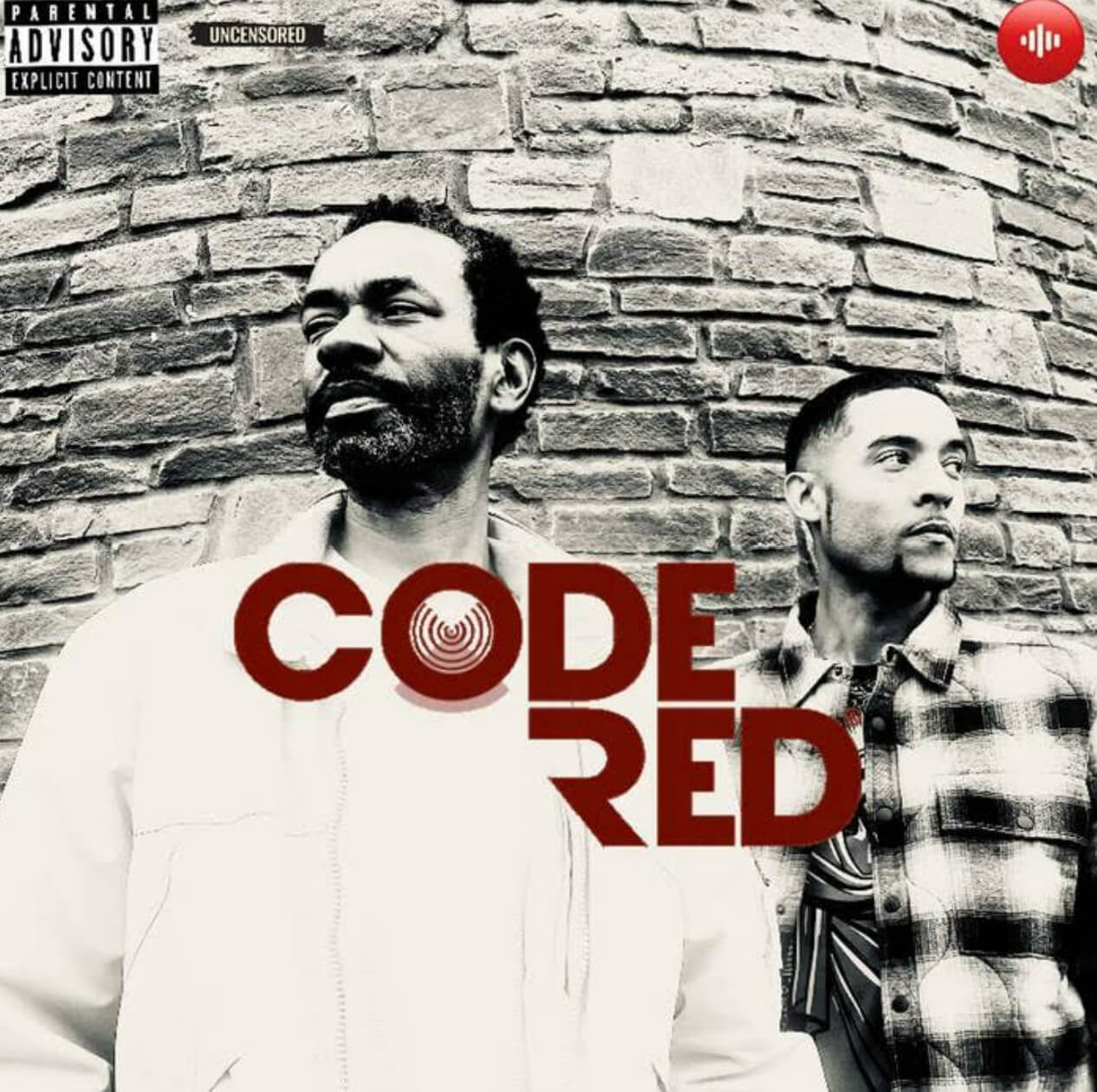
We sit down with Bristol duo Code Red, producer and MC Kilaze alongside veteran DJ Style. Deeply rooted in the foundations of the culture, their sound is steeped in 90s grit, classic sampling and uncompromising authenticity. They are not chasing trends. They are preserving and progressing a lineage. From grassroots radio at Ujima Radio to consistently spotlighting Bristol’s inner-city talent, their latest project feels less like a release and more like a statement of intent. This is hip hop as heritage, community and craft.
Code Red’s sound leans heavily into that raw 90s hip hop feel. What was it about that era that shaped you both creatively, and why does it still feel relevant now?
KILAZE: For me, that was an era when some of the best hip hop music was created. Those albums and that sound quality moulded the shape of hip hop, which people are still trying to duplicate or match in today’s music. If you were raised around that time, it will always have a heavy influence on your production and style.
DJ STYLE: The sound of the 90s was much more creative. Producers were integrating classic samples with original production, building on the 80s sounds. The 90s embodied that formula, with producers pushing the boundaries of how hip hop could sound. Code Red is a product of that era and lifestyle.
Kilaze, you juggle production and rapping. How do those two roles feed into each other when you’re building a Code Red record?
KILAZE: It is not a case of juggling, they go hand in hand. There is no album without production, and not much substance to a beat without a rapper. Most of the songs are written while the beat is being composed. The inspiration behind the collaboration makes it easier to construct the sound and style.
DJ Style, you’ve been a cornerstone of Bristol’s hip hop and R&B culture for over 30 years. What changes have you seen in the scene, and what has stayed the same at its core?
DJ STYLE:I have seen the terminology of hip hop come to represent a different sound to what I grew up listening to. There is a new audience and generation labelling songs as hip hop that I sometimes struggle to define as such, but maybe hip hop is now in a different place.
Those purists making authentic music, the likes of DJ Premier, Pete Rock, The Alchemist and Buckwild, still have the drive and creativity that has enabled real hip hop to remain as strong as ever. That is the core of the foundation.
Your projects consistently spotlight Bristol artists, both emerging and established. Why was it important for Code Red to build locally rather than look elsewhere?
KILAZE: Being from the city inspires me to create art based on the culture and environment I am familiar with. I also feel we do not get enough spotlight on our music scene, especially from the real inner-city artists where I grew up. I support and enjoy working alongside southwest talent, which also helps promote them as artists.
DJ STYLE: There needs to be an avenue that enables the next generation of talent to come through, nurturing their skills so they can step up and keep the culture alive. That starts at grassroots level in the area. That is why Bristol acts have to be central to this project.
Bristol has its own musical DNA, often associated with sounds like trip hop and drum and bass. Where do you see hip hop fitting into the city’s wider musical identity?
KILAZE: Whether people like to acknowledge it or not, hip hop has the strongest and longest lasting foundation in music. There are many forms of hip hop and expression through the art, so it is undeniable. The city’s foundation may have started with dub, reggae and drum and bass, but Bristol probably has more hip hop artists now than any other genre and it will continue to thrive on a wider musical scale.
DJ STYLE: Second to the foundation of reggae and original DJ toasting, which shaped many Black communities with settlers from the West Indies bringing that heritage to the UK, hip hop became a product of that culture and is central to much of the music that followed. Many acts and DJs who went on to have successful careers were influenced by hip hop origins, which played a significant part in their development and sound.
Ujima Radio has played a big role in your journey. How has radio helped shape not just your careers, but the wider Bristol hip hop ecosystem?
KILAZE: To be honest, as a pioneer myself I have helped shape the music scene in Bristol through live radio broadcasting, producing for Bristol artists and releasing my own music. Ujima has played a role by giving me the opportunity to build a foundation over ten years and allowing me to introduce a number of independent artists to Bristol through my Homegrown show, which also takes hard work and dedication on my part.
DJ STYLE: There’s no denying Ujima created an opportunity for those wanting to become broadcaster, DJ’s and artists to have a platform and enable them to help build on their skillset, and gain exposure to the wider audience of Bristol. Kilaze built a flagship show that supported local talent, years before many other shows that followed, for that he needs to be saluted. I introduce the Code of the Streets brand to Ujima, helping build on the station success, engaging with local talent on a featured ran called Da Corner. During my period as Broadcast Manager Ujima would excel with over 100 presenters, partnership and become a Multi Award winning station.
Your recent album feels like a community project as much as a Code Red release. How do you approach collaboration, and what do you look for in an artist you invite into your world?
KILAZE: The collaborations on the album were purely based on sound, who could rap and had the right tone of voice for particular beats. Some artists were also requested by DJ Style. I look for consistency, humility and well seasoned artists who will not be a challenge in the booth. Artists who understand song structure, show up prepared and do not need endless takes to get the verse right. Definitely not artists who want to sit in the studio and write their lyrics. It is too time consuming and unprofessional.
There is a strong sense of preservation in what you do, honouring hip hop’s foundations while still pushing forward. How do you balance nostalgia with progression?
KILAZE: I balance it by focusing on my craft, what I like and what I want from the music, not what I think everyone else wants. When artists focus on what they believe is relevant, it can affect creativity because you are living up to an expectation and placing your artistry in an industry standard box. That does not lead to longevity or classic records.
DJ STYLE: Good music is good music, no matter the era, but there is a formula that makes music stand the test of time and that will never change. The art lies in bringing the best out of the next wave of talent, building on a process that results in original production with a classic feel. Hit-Boy is a perfect example of that, particularly in some of his work with Nas.
Social media and platforms like Bandcamp have changed how artists connect with audiences. How do you use these tools without losing the authenticity of your sound?
KILAZE: To me, Bandcamp is simply another service with tools that benefit you as an independent artist. I do not see it affecting the music. You are still creating and uploading great music. The only downside is the percentage taken from sales, but creatively you are free to release what you like without clearance issues.
DJ STYLE: It should not affect your authenticity to sell music on these platforms unless you choose to conform to what is popular and brand your music alongside that purely for numbers. If so, then in my opinion you are in music for the wrong reason.
For younger artists coming up right now, what advice would you give about longevity, community and staying true to hip hop culture?
KILAZE: My advice is to stick with your style and what you feel comfortable creating.
Do not try to fit into what is current, because when it becomes a trend of the past, so will you and your music. Stay true to your creativity and your core audience, the people who supported you for who you are rather than the latest sound.
DJ STYLE: Artists need to be grounded. Approaching the game with unrealistic expectations will affect your mindset. Focus on your craft, be patient and allow those around you with experience to bring out the best in your skills. Real talent will always shine through and hip hop purists will recognise it. I feel hip hop has moved in a different direction, with more focus on duplicated sounds and less on originality. The sound can feel short lived rather than having true longevity, yet some have accepted that as hip hop.


Rishma
Latest posts by Rishma (see all)
- GIGGS ANNOUNCES ‘THE CHRONICLES OF’ A LANDMARK LIVE CELEBRATION AT OVO ARENA WEMBLEY — October 16, 2026
- NEW MUSIC | PROLIFIC WONE x MANAGE DROP NEW SINGLE “BANDAIDS” FT. APEX ZERO x MAS LAW (EOW ENGLAND) — October 2, 2026
- NEW MUSIC | MANAGE – CODE OF THE STREETS — October 1, 2026
